


Last Updated: November 2, 2026
Quick Summary
You’ll find the best charcoal grilled food in Melbourne by asking kitchens directly which charcoal they use, then matching the style to your evening. Robatayaki over binchotan, at places like Akaiito on Flinders Lane, delivers clean char and ingredient-led courses, while Korean tabletop grills and American smokehouses offer different nights entirely.
- Ask what fuel the kitchen uses; a clear answer names the charcoal type.
- Look for visible fuel such as a robata grill or binchotan tray behind the pass.
- Real coals leave uneven, blistered edges rather than uniform gas bar marks.
- Robatayaki keeps the fire in the kitchen and paces courses chef-first.
- Match the style to the evening: charcoal-led dining suits conversation, smokehouses suit celebration.
Table of Contents
- What Makes Charcoal Grilled Food Worth Seeking Out
- How to Judge a Charcoal Grill Restaurant in Melbourne
- Robatayaki Melbourne: The Japanese Charcoal Tradition
- Best Barbecue Restaurants Melbourne Diners Compare by Style
- Charcoal Grill Restaurants Melbourne: Matching the Venue to the Occasion
- A Chef-Selected French-Japanese Progression on Flinders Lane
- Book Your Table for Charcoal-Led Dining
- Frequently Asked Questions
What Makes Charcoal Grilled Food Worth Seeking Out
Charcoal grilled food is cooking over burning carbon-rich fuel, where the fuel itself, not a metal plate, sits between the heat and the ingredients. That distinction sounds academic until you taste the difference. Radiant heat from glowing coals chars the surface fast, rendering fat and laying down smoke compounds that a gas flame cannot replicate.
At Akaiito, on Flinders Lane, we cook over robatayaki charcoal, bringing a seasonal French-Japanese menu to the plate. The CSIRO’s research on high-temperature cooking and flavour compound formation explains why searing at high heat produces the browning reactions that define grilled food.
Below, we’ll show you exactly how to tell a genuine charcoal kitchen from a gas grill with a marketing budget, which styles suit which occasions, and where the technique lands best on a plate.
How to Judge a Charcoal Grill Restaurant in Melbourne
A useful test of a charcoal grill restaurant is to ask directly what fuel the kitchen uses. A clear answer names the charcoal type.
Fuel, technique and what reaches the plate
Not all charcoal behaves the same, and the difference shows on the plate. The technique matters as much as the fuel: a kitchen that understands its coals controls distance and timing rather than leaving everything to the flame.
Five signals that separate charcoal from gas
- Visible fuel. Look for a robata grill, a binchotan tray or a charcoal bed behind the pass. Gas char-grills usually hide the heat source behind metal.
- Smell before you sit. A charcoal kitchen carries a dry, mineral smoke note. Gas produces almost none.
- Menu language. Dishes described as ‘robatayaki’, ‘over binchotan’ or ‘charcoal-grilled’ are specific. ‘Flame-grilled’ and ‘chargrilled’ are not.
- Pacing. Charcoal cooking is sequential: coals are ready when they are ready. A kitchen that paces courses to the grill is usually cooking over fuel, not a hotplate.
- Char pattern. Real coals leave uneven, blistered edges. A gas grill leaves uniform bar marks.
Questions worth asking before you book
- Which charcoal do you use, and for which dishes?
- Is the grill the centre of the menu or a supporting act?
- Can the kitchen accommodate dietary requirements with notice?
- What is the noise level at the time we want to dine?
A quick phone call is a good way to clarify how a restaurant cooks its food.
Robatayaki Melbourne: The Japanese Charcoal Tradition
Robatayaki is a Japanese charcoal cooking method in which ingredients are grilled over binchotan coals and served with minimal intervention, letting smoke and fire do the seasoning. The style rewards restraint: a good robatayaki kitchen knows when to stop.
In our own kitchen, robatayaki sits alongside contemporary French technique. Japanese ingredients meet contemporary French technique across a seasonal menu. You can explore Akaiito’s French-Japanese omakase to see how the robatayaki element fits into the wider menu and how bookings work.
Best Barbecue Restaurants Melbourne Diners Compare by Style
The best barbecue restaurants in Melbourne divide by style rather than by suburb, and knowing which style you want narrows the field fast. Korean barbecue puts the grill at the table and the cooking in your hands. American barbecue, whether Texas-style brisket or slow-smoked ribs, is about the pit and the pitmaster’s patience. Japanese robatayaki keeps the fire in the kitchen and the refinement on the plate. Contemporary Australian grills borrow from all three.
How the styles actually differ
| Style | Fuel and method | What it does to flavour | Dining format |
|---|---|---|---|
| Korean barbecue | Gas or charcoal tabletop grill | Fast sear, high smoke, dipping sauces | Interactive, shared, self-cooked |
| American barbecue | Wood-fired offset smoker, low and slow | Deep bark, smoke ring, tender collagen | Platters, casual, group-friendly |
| Robatayaki | Binchotan charcoal, high radiant heat | Clean char, minimal smoke, ingredient-led | Chef-paced, course by course |
| Contemporary Australian grill | Mixed charcoal and wood | Char plus native aromatics | À la carte, relaxed |
The practical distinction is control. Tabletop grills hand timing to the diner; smokehouses hand it to the pitmaster; robatayaki hands it to the kitchen. Each produces a different evening, not just a different plate. Regardless of who holds the tongs, the final character of the meal often rests on the subtle application of gourmet spice blends for grilling to elevate the natural intensity of the charcoal.
For diners weighing charcoal-led fine dining against more casual smokehouses, an insider guide to the best fine dining in the CBD helps place each style in context. Our advice: match the style to the evening, not the other way around. A slow-smoked brisket dinner and a robatayaki progression are both excellent, but they suit completely different moods.
Charcoal Grill Restaurants Melbourne: Matching the Venue to the Occasion
Venue choice turns on three practical variables: noise, pacing and how much of the evening you want to spend talking versus eating. Charcoal-led dining tends to be paced, course by course, which suits conversation. A buzzy smokehouse suits celebration and volume.
Date nights, client dinners and group celebrations
- Date nights: quiet corners, paced service, a menu worth discussing. Charcoal cooking gives you something to talk about beyond the usual.
- Client dinners: a calm room and confident service matter more than the menu’s length. Ask about timing so the meal fits the conversation.
- Group celebrations: private spaces and set menus remove the ordering friction. If you are coordinating a corporate dinner or a milestone, Akaiito’s private dining and events sets out the spaces and seasonal menus available.
A Chef-Selected French-Japanese Progression on Flinders Lane
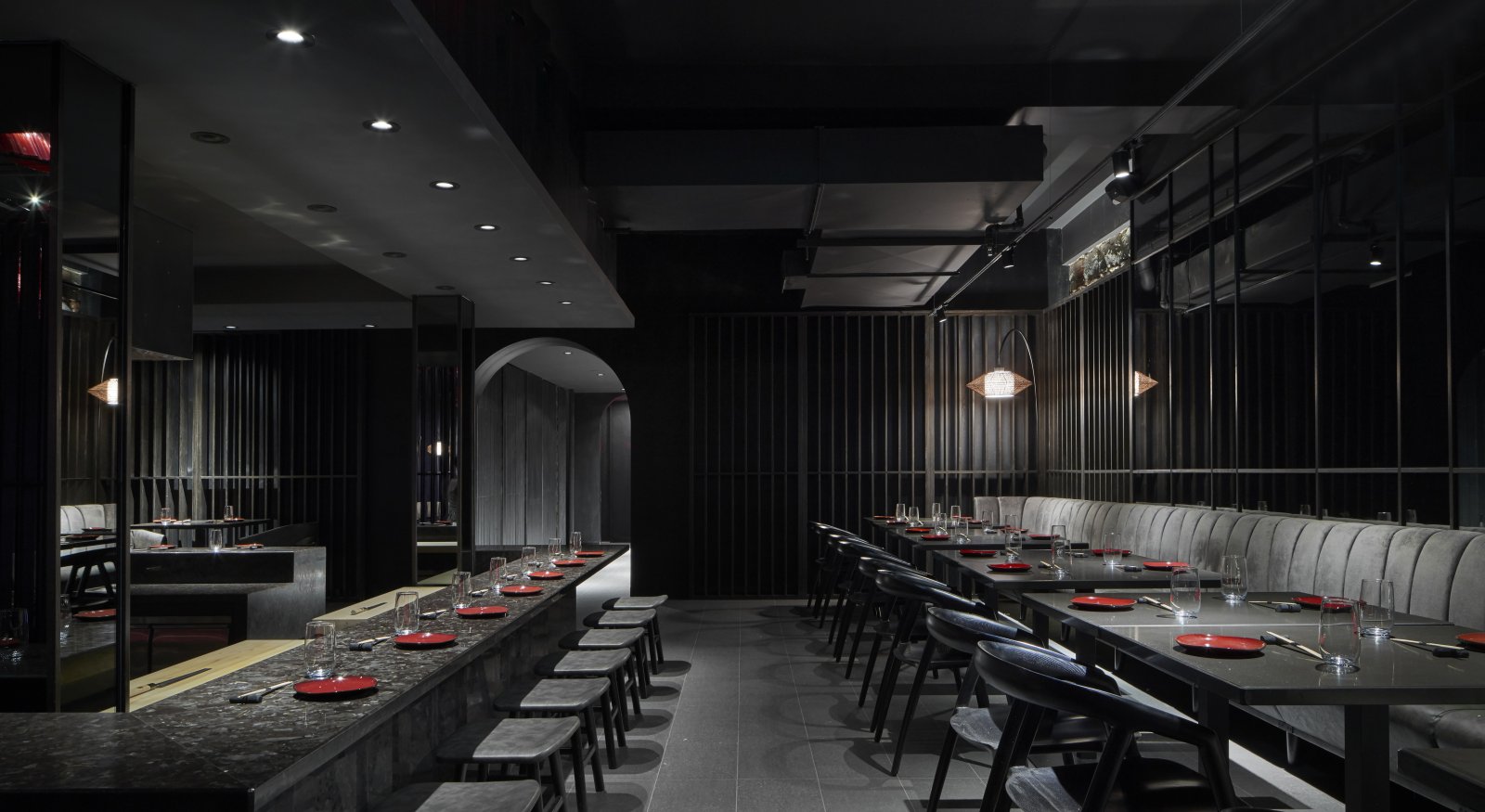
A chef-selected progression is the best way to understand a charcoal kitchen, because the kitchen decides the order and the pacing rather than leaving it to chance. On Flinders Lane, our progression moves through Japanese ingredients, robatayaki cooking and contemporary French technique across a seasonal menu.
A chef-selected progression reflects the kitchen’s judgement in sequencing the menu. If you would rather choose your own dishes, the seasonal à la carte dinner covers the robatayaki dishes and French-Japanese plates individually. Either way, ask the team what is cooking over coals that week; the answer changes with the season.
Book Your Table for Charcoal-Led Dining
A charcoal grill’s character depends on fuel, technique and the judgement of the kitchen. Charcoal cooking demands close attention to fuel and timing, which is why committed kitchens tend to focus on the details.
At Akaiito, robatayaki charcoal cooking anchors a seasonal French-Japanese menu on Flinders Lane, with a chef-selected progression, an à la carte alternative and private dining for larger occasions. Book your omakase table and see what fire does to a menu built around it.
Frequently Asked Questions
Where can I find charcoal grilled food in Melbourne?
Charcoal cooking appears across several dining styles in Melbourne, from Japanese robatayaki to barbecue venues and contemporary restaurants. The right choice depends on whether you want a casual shared meal or a full dining experience. Look for venues that name their fuel and cooking method on the menu, ask staff how dishes are cooked, and check whether the charcoal work sits at the centre of the kitchen or is used for one or two items. Booking ahead helps, particularly for dinner on weekends.
What is robatayaki charcoal cooking?
Robatayaki is a Japanese style of charcoal grilling in which ingredients are cooked over hot coals and served promptly, often with the focus on the ingredient’s natural flavour and the char from the grill. In Melbourne, restaurants interpret it differently: some keep it strictly traditional, while others pair it with contemporary technique. Ask whether the robatayaki forms part of a set progression or is offered as individual dishes, and how the kitchen sequences charcoal-cooked courses within the wider menu.
Is charcoal-grilled food available as part of a Japanese-French dining experience?
Yes. Some Melbourne restaurants combine Japanese ingredients and robatayaki charcoal cooking with contemporary French technique. Akaiito on Flinders Lane serves a chef-selected seasonal French-Japanese progression, with charcoal-grilled elements worked into the menu rather than presented as a separate grill section. Menus change with the seasons, so check the current offering on the restaurant’s official site before booking, and mention any dietary requirements when you reserve so the kitchen can advise on suitability.
What should I look for when choosing a charcoal-grilled restaurant?
Start with the cooking method: a venue that states it uses charcoal, and can explain how, is usually more reliable than one that mentions grill in passing. Then match the style to the occasion, whether that is a relaxed shared meal, a client dinner or a celebration. Check the location and transport options, look at the current menu rather than an old review, and confirm group or private dining options directly with the venue. Reading recent reviews for service and noise levels helps set expectations.

